Neuroscience for Kids
Glia: The Forgotten Brain Cell
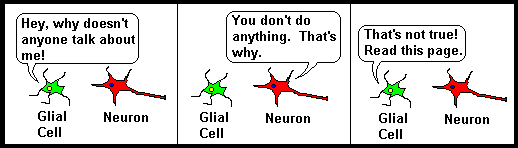
The brain is made up of more than just nerve cells (neurons). Although there are about 86 billion neurons in the brain, there are about the same number of glial cells in the brain. But do you hear much about glia? NO! Because neurons get all the attention, you don't hear too much about glia. Although glia cells DO NOT carry nerve impulses (action potentials) they do have many important functions. In fact, without glia, the neurons would not work properly!
Types and Functions of Glia
- Astrocyte (Astroglia): Star-shaped cells that provide physical and nutritional support for neurons: 1) clean up brain "debris"; 2) transport nutrients to neurons; 3) hold neurons in place; 4) digest parts of dead neurons; 5) regulate content of extracellular space
- Microglia: Like astrocytes, microglia digest parts of dead neurons.
- Oligodendroglia: Provide the insulation (myelin) to neurons in the central nervous system.
- Satellite Cells: Physical support to neurons in the peripheral nervous system.
- Schwann Cells: Provide the insulation (myelin) to neurons in the peripheral nervous system.
There are a few ways in which glia cells are different from
neurons:
- Neurons have TWO "processes" called axons and dendrites....glial cells have only ONE.
- Neurons CAN generate action potentials...glial cells CANNOT. However, glial cells do have a resting potential.
- Neurons HAVE synapses that use neurotransmitters...glial cells do NOT have chemical synapses.
Hear It! |
More information about glia:
- Know Your Neurons: What Is the Ratio of Glia to Neurons in the Brain? - from Scientific American
- Astrocytes and Neurogenesis - from Neuroscience for Kids
- Lowly glia strengthens brain cells
- Microglia Home Page
- Glia Number Controversy
- The Neuron's Secret Partner
Copyright © 1996-2020, Eric H. Chudler All Rights Reserved.
