-
Instruction takes place at the Beijing Film Academy, and lodging
will be provided at the Academy’s well-equipped foreign student
dorms.
- Classes are taught by filmmakers and various professors
from the Beijing Film Academy and from outside Asia. - Depending
on the students' and instructors' interests, course topics vary from
year to year. The exact schedule will not be available
before June; the 2011 curriculum will be very similar to previous years'.
- Some seminars and activities are designated as optional
for undergraduate students, since they are designed for graduate students
and teachers.
•
Regular seminars and
meetings with film directors
take place four to five days a week.
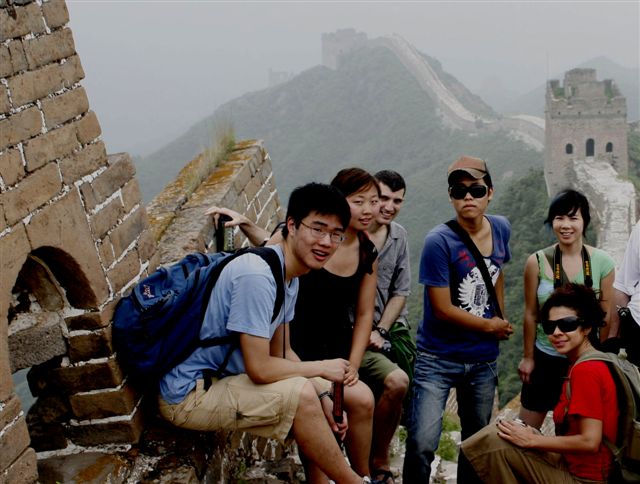
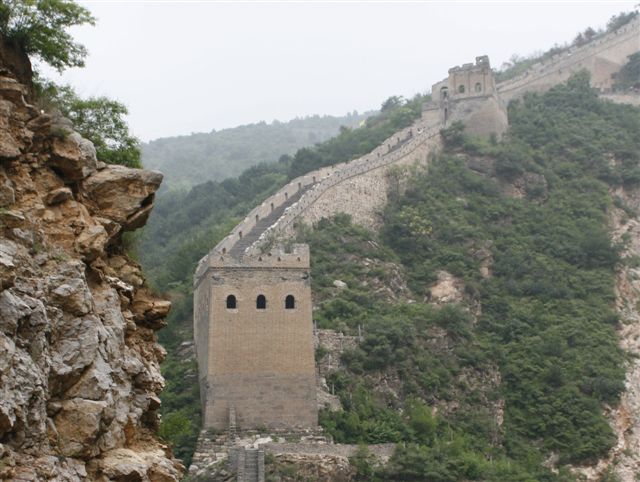
• Guided excursions to
locations in and around Beijing, ranging from tourist sites (including
the Great Wall) to film locations, artists' studios, and film museums.
• Additional activities include
screenings at film theaters and drama performances.
• To
fully satisfy the course requirements for a grade, students must participate
in all regular lectures and activities, write reading responses and
journal entries, and write a final paper, 5 pages long (undergrads)
or 15 pages long (graduate students), due September 3.
Upon successful completion of the program, students will receive
12 quarter credits (10 for graduate students) in the Comparative
Literature-Cinema Studies track at the University of Washington.
Non-UW students can transfer these credits to their
home institutions, pending approval of their advisors. The credits are
based on 120 contact hours.
For UW students these courses will register as:
• Comparative Literature 397 (special topics in cinema studies,
5 credits, VLPA)
Grade based on participation and two 5-page papers.
• Comparative Literature 497 (special topics in cinema studies,
5 credits, VLPA)
Grade based on participation and three 5-page papers.
• Comparative Literature 490 (directed study, 2 credits)
Grade based on participation; this is a credit / no credit course.
The program satisfies the UW Cinema Studies Major requirement for a
course in a national cinema.
Graduate and post-graduate students will be registered under
Comparative Literature 497 (special topics in cinema studies, 5 credits),
Comparative Literature 596 (special studies in comparative literature,
5 credits) and Comparative Literature 490 (directed study, 2 credits).
Assignments will be tailored to students' interests and to the requirements
of their home institutions' graduate programs.
Screening: I Wish I Knew Yomi Braester: Chinese film and cinephilia
Screening: 2046
Tuesday,
June 28
Screenings: San Yuan Li;
Meishi Street Meeting with the director, Ou Ning
Screening: Still Life
Wednesday, June 29
Tour of hutong around Guozijian
Ackbar Abbas: Time Out of Joint - Wong Kar-wai's 2046,
Tsai Ming Liang's What Time Is It There,
and Lee Ang's Crouching Tiger, Hidden Dragon
Screening: Perpetual Motion
Thursday, June 30
Screening: Digital Underground Zhang Xianmin (producer and Professor of Literature
at BFA): Independent film circles and festivals
Yomi Braester: Independent cinema
Screening: Devils on the Doorstep
Friday, July 1
Ackbar Abbas: Documenting Disappearance - Jia Zhangke's
Still Life and Lou Ye's Suzhou River.
Mu Deyuan (Chair of Cinematography, BFA): Cinematography
in China
Saturday, July 2
optional: Fortune Teller at UCCA,
followed by Q&A with Xu Tong
Sunday, July 3
optional: Bloody Morning at the MOMA Broadway
cinematheque, followed by Q&A with Li Shaohong
Monday, July 4
Ackbar Abbas: History as Hysteria - Ning Ying's Perpetual
Motion and Jiang Wen's Devils on the Doorstep
Screening: Crazy English (Fengkuang yingyu
)
Ackbar Abbas:History in the Faking - Zhang Yuan's Crazy
Englishand Zhang Yimou's Beijing Olympics Opening Ceremony
Tuesday, July 5
Yomi Braester: The documentary impulse
Screening: Old
Dog Meeting with the director Pema Tseden
Thursday, July 7
Yomi Braester:
Early explorations in video art in China
Tan Tan (Central Academy of Fine Arts): The younger generation
of video artists
Friday, July 8
James Tweedie: Realisms in film
Screening: Oxhide II Meeting with the director, Liu Jiayin
Saturday,
July 9
Screening: Last
Train Home Meeting with the director, Fan Lixin
Screening: Yelang Meeting with the director, Liu Yonghong
Sunday,
July 10
Screening: Aolugulai
Meeting with the director, Gu Tao
Screening: Fortune Teller
Meeting with the director, Xu Tong
Monday, July 11
Screening: Good Cats
Meeting with the director, Ying Liangv
Screenings: Condolence; Falling from the Sky Meeting with the director, Zhang Zanbo
Tuesday, July 12
(visit Caochangdi galleries)
Wu Wenguang and interns: The Folk Memory Project (I)
Screening: Zou Xueping, Hungry Village Q&A with Wu and interns
Wednesday, July 13
James Tweedie: Youth culture and new waves
Meeting with the director Xie Fei
Screening: Black Snow
Yomi Braester: Urban cinema since the 1980s
Thursday, July 14
(visit the China National
Film Museum)
Wu Wenguang and interns: The Folk Memory Project (II)
Screening: Zhang Mengqi, Self-Portrait with Three Women Q&A with Wu and interns
Friday, July 15
Yomi Braester: Commercial film
Screening: Waiting Alone
Chris Berry: Early independent documentary in China
Saturday, July 16
optional: A Year without Summer at UCCA,
followed by Q&A with Tan Chui Mui
Monday, July 18
Chris Berry: Documentary in the DV age
Meeting with the director Dayyan Eng
(Waiting Alone)
Screening: Bus 44
Tuesday, July 19
Screening: Queer China Meeting with the director, Cui Zi'en
Screening: Treatment
Meeting with the director, Wu Wenguang Discussion with Chris Berry on the ethics
of documentary filmmaking
Wednesday, July 20
Trip to the Great Wall at Mutianyu
Thursday,
July 21
Visit to CNEX
Chris Berry: Cross-straits documentary filmmaking Screening: KJ
Chang Chao-wei (CNEX co-founder): CNEX's
objectives and activities Screening: China Gate
Friday, July 22
Screening: Shattered James Tweedie: Ethics in documentary film
Yomi Braester: Documentaries and mockumentaries
Student presentations
Sunday, July 24
optional: opening of the independent film festival
at the MOMA Broadway cinematheque,
followed by a screening of Yulu (Jia Zhangke et al.)
Summer
2010:
Monday,
June 28
Yomi Braester: Beijing in Film
Orientation
Screening: Dragon Whisker Creek (Longxugou)
Yomi Braester: Beijing's intimate and monumental spaces
Tuesday,
June 29
Mu Deyuan (Chair of Cinematography,
BFA): Cinematography in China
Screening: Perpetual Motion (Wu qiong dong)
Meeting with the director, Ning Ying
Wednesday, June 30
Screening: Digital Underground Meeting with Zhang Xianmin, producer and
Professor of Literature at BFA
Screening: Meishi Street (Meishi jie) Meeting with the director, Ou Ning
Thursday, July 1
Screening: Hibiscus Town (Furong zhen)
Visit to Cui Yongyuan's film museum and meeting with Cui Yongyuan,
producer and curator
Friday, July 2
Tour Dashilan'r and visit the Urban Planning Exhibition
Hall
Opera (optional): The Red Lantern (Hong
deng ji, at the Grand Theater)
Saturday, July 3
Visit to Wu Wenguang's studio at Caochangdi(optional)
Monday, July 5
Screening: Crazy English (Fengkuang
yingyu )
Paul Clark: Film during the Cultural Revolution
Screening: City of Life and Death (Nanjing, Nanjing)
Michael Berry: The Rape of Nanking in film
Tuesday, July 6
Screening: Still Life (Sanxia haoren) Ackbar Abbas: Chinese cinema as a hysterical
symptom
Screening: Suzhou River (Suzhou he) Yomi
Braester: The documentary impulse
Wednesday,
July 7
Visit to CNEX: Screening: 1428 Screening: Where Should I Go?
(Huan cheng) Q&Awith Chang Chao-wei and Ben
Tsiang
Thursday, July 8
Screening: In
the Mood for Love (Hua yang nian hua) Ackbar Abbas: Documenting disappearance
Screening: Oxhide II (Niupi II) Meeting with the director, Liu Jiayin
Friday, July 9
Screening: Lust, Caution (Se Jie) Ackbar Abbas: History as histeria Ackbar Abbas: Secrets, Spectacle, and Information
Sunday,
July 11
Screening of I Wish I Knew (Shanghai
chuanqi ),
followed by a discussion with Jia Zhangke and Liu Xiaocheng,
at MOMA-Broadway (optional)
Monday, July 12
Yomi Braester: Everyday spaces in Beijing
Screening: Big Shot's Funeral
(Da wan'r) Yomi Braester: Commercializing
Beijing
Tuesday, July 13
Screening: The Making of City of Life and
Death Screening: Missing Gun (Xun qiang) Meeting with the director, Lu Chuan
Wednesday, July 14
Day trip to the Great Wall at Mutianyu (optional)
Thursday, July 15
Yomi Braester: Globalizing
Beijing I Screening: The World (Shijie)
Yomi Braester:Globalizing Beijing II Screening: The Chess Master (Wu
Qingyuan)
Friday, July 16
Screening: Curse of the Golden
Flower (Mancheng jindai huangjin jia) Wang Zhimin, Professor of Film Studies,
BFA: Zhang Yimou's films in light of his personal life
Meeting with Tian Zhuangzhuang, director and professor
of directing at BFA
Monday, July 19
Screening: Soul Searching (Xunzhao) Meeting with the director, Pema Tseden
Screening: Old Well (Lao jing) Meeting with the director, Wu Tianming
Tuesday, July 20
- Shi Wenhua (Professor of Communication and Media
at the University of North Carolina): New Media in China - Meeting with Jiang Zhi, artist - Dong Bingfeng, artist and curator:
New Media in China
Wednesday, July 21
Visit to Songzhuang (optional):
Screening: The Other Half (Ling yiban)
Q&A with the director, Ying Liang
Screening: Petition (Shangfang)
Thursday,
July 22
Visit to Songzhuang (optional):
Screening: Noise (Renao) Q&A with the director, Wang Wo Introduction to summer programs at Fanhall
Friday, July 23
Screening: Dooman River (Douman jiang) Meeting with the director, Zhang Lü
Concluding discussion
Summer
2008 :
Monday June 30
9:30-10:30 Yomi Braester,Orientation
10:30-12:00 Yomi Braester, Globalizing Beijing
2:00-4:00 Screening: Beijing Bicycle
4 :30-6:30 Yomi Braester, Globalizing Beijing
Tuesday July 1
9:30-11:30 Yomi Braester, The documentary
impulse
2:00-3:30 Screening: A Disappearance Foretold
4:00-6:00 Meeting with critic and filmmaker Zhang Yaxuan
Evening screening: Yellow Earth
Wednesday
July 2
9:30-1:00 Media Art exhibition at the National Museum
of China
3:00-4:00 Visit to the Lao She Memorial
7:00 Drama performance: Da huaju
Thursday
July 3
9:30-11:30 Chris Berry: Introduction to "the national"
1:00-4:00 Screenings: Perpetual Motion
Railroad
of Hope
4:00-6:00 Meeting with director Ning Ying
Evening screening: In the Mood for Love
Friday
July 4
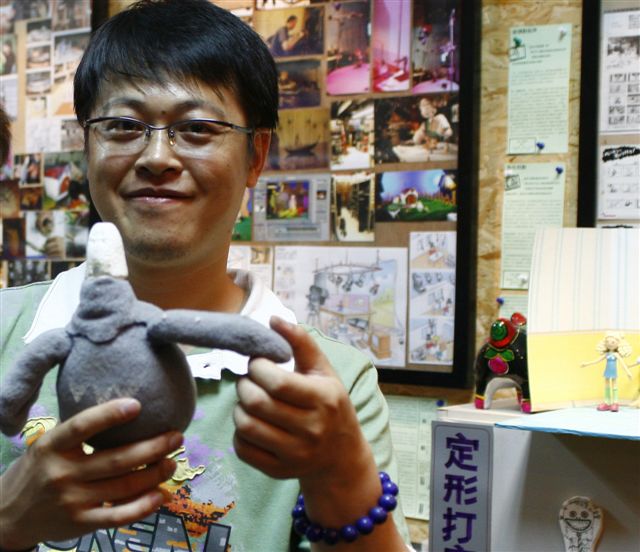
9:30-11:30 Huang Yong, animation studies at BFA
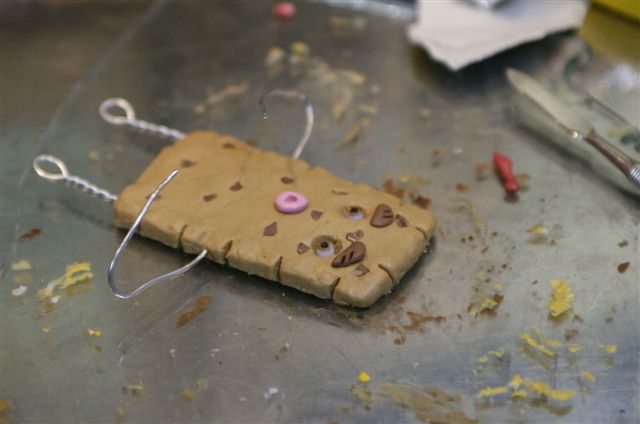
1 :30-3:30 Huang Yong, stop-motion animation
4:00-6:00 Chris Berry, graduate seminar: The Figure of History
Evening screening: Stage Sisters
Sunday July 6
Afternoon: Vsit to the Beijing Urban Planning Exhibition
Hall
8:00-10:30 Screening at Cherry Lane: And the Spring Comes,
followed by Q&A with director Gu Changwei
Monday
July 7
9:30-11:30 Chris Berry, How should a Chinese Woman Look
1:00-3:00 Zhang Xianmin, Independent filmmaking
4:00-6:00 Screening: Raised from Dust
Tuesday
July 8
9:30-11:30 Chris Berry: The national in the transnational
1:00-3:00 Zhang Xianmin, Independent filmmaking
3:30-5:30 Screening: Still Life
Wednesday July 9
9:30-11:30 James Tweedie, cinematic realisms
1:00-4:00 Screening: Crime and Punishment
4:00-6:00 Meeting with director Zhao Liang
Thursday
July 10
Evening screening:
The Banquet
Friday
July 11
10:00-8:00 Visit to artist community in Songzhuang,
including visit to the Independent Film Archives; conversation
with Zhu Rikun; meeting with director Wang Wo; screenings of
Noise, Above and Below, and Bing'ai
Saturday July 12
11:00-1:00 visit to Wu Wenguang's
studio, including meeting with Wu Wenguang and screening of
parts of the China DV project
2:00-3:00 Screening of experimental videos by students
at the Central Academy of Fine Arts
Monday July 14
9:30-11:30 Dai Jinhua,
The hero phenomenon
1:00-2:30
Screening: Video art by Cao Fei
4:00-5:00 Meeting with
video artist Cao Fei
Tuesday
July 15
9:30-11:30 Dai Jinhua, film and the international festival
circuit
2 :00-3:30 Screening: Dragon Whisker Creek
4:00-6:00 Yomi Braester, From Dragon Whisker Creek to Goldfish
Ponds
Wednesday July 16
Day trip to the Great Wall at Simatai
Thursday
July 17
9:30-11:30 David Xu,
contemporary video art
2:00-4:30 David Xu, contemporary video art 5:00-6:30 creening: Black Canon
Incident
Friday
July 18
9:30-11:30 James Tweedie, QQQ
2:00-4:30 Screening: Samsara
4:30-6:30 Meeting with Huang Jianxin, director
and producer
Saturday
July 19
Morning: Visit to Dragon Whisker Creek
Monday
July 21
9:30-11:30 James Tweedie, Film
and globalization
2:00-5:00 MuDeyuan, A comparative
history of Chinese cinematography
Evening screening: Soul Searching
Tuesday
July 22
9:30-11:30 James Tweedie, Film
and globalization
Afternoon
(optional) Meeting with Cui Yongyuan
Wednesday
July 23
9:30-11:30 Yomi Braester, Tiananmen in film
2:00-4:00 Meeting with director Wanma Caidan
4:30-7:30 Graduate student presentations
Thursday July 24
10:30-11:30 Tour to Beijing Film Studio and
soundstages of the TV series Dream of the Red Chamber
1:30-3:00 Screening: Dream of the Bridal Chamber
3:30-5:30 Meeting with director Guo Baochang
Friday
July 25
9:30-10:30 James Tweedie, Rescripting Beijing
10:30-12:00 Student presentations
2:00-4:00 Yomi Braester, concluding discussion
Reading assignments for the 2008 seminar:
Ackbar Abbas, “Building on Disappearance”
Chris Berry and Mary Farquhar, China on Screen (selection) Yomi Braester, “Chinese cinema in the Age of Advertisement”
Yomi Braester, “Tracing the City's Scars”
Marie-Anne Broudehoux, “The Malling of Wangfujing”
Dai Jinhua, “Severed Bridge” and “Invisible Writing”
Definitions: “Realism”; “Documentary”
Dogma 95, “Vow of Chastity”
Valerie Jaffe, “Every Man a Star”
Matthew Johnson, “A Scene beyond Our Line of Sight”
Rem Koolhaas, “Junkspace”
Lao She, Dragon Beard Ditch
Ni Zhen, Memoirs from BFA (selection)
Summer 2007:
WEEK 1
Independent Filmmaking in
China; Beijing in Film
Monday July 2
Zhang Xianmin, Independent documentary films Yomi
Braester, Recording the city’s transformation
Screening: Shower
Tuesday July 3
Zhang Xianmin,
Independent feature films Yomi Braester, Tiananmen as a monumental and
everyday space
Yomi Braester, The commercial city Xu
Dawei, New media
Screening: The World
Tuesday
July 24
Zhong Dafeng, Chinese film theory James
Tweedie, Globalism I
Screening: Uproar in Heaven II
Wednesday
July 25
Tour to Beijing
Film Studio
Thursday July 26
James Tweedie, Globalism
II Huang Yong, Chinese animation
Friday
July 27
Yomi and James, debriefing Huang Yong, stop-motion lab
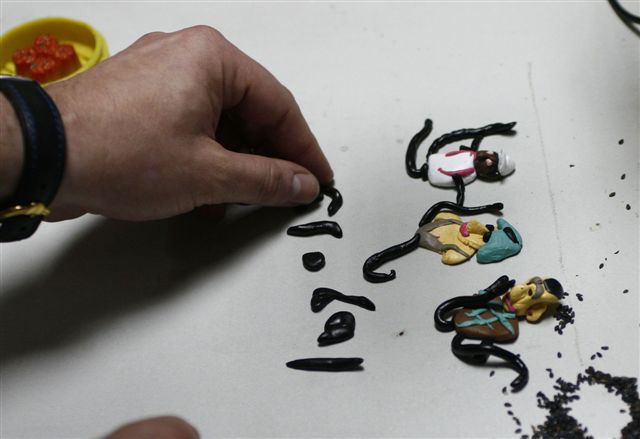
links to our animated films coming soon
Summer
2006:
• Chinese
Cinema and the Nation (Chris Berry, University of London)
• Beijing in Film and Media I (Yomi Braester,
University of Washington)
• The Development of Chinese Film Concepts and their Relationship
with Traditional Chinese Aesthetics (Zhong Dafeng, Beijing Film Academy)
• Chinese New Media: Digital Arts, Print, and Photograghy
(Xu Dawei, Beijing Film Academy)
• Love in Early Chinese cinema (Li Ershi, Beijing
Film Academy)
• Cinematic Realisms (James Tweedie, University
of Washington)
• Beijing in Film and Media II (Yomi Braester,
University of Washington)
• Globalism and Contemporary Cinema (James Tweedie,
University of Washington)