FISH310 for 2nd Graders
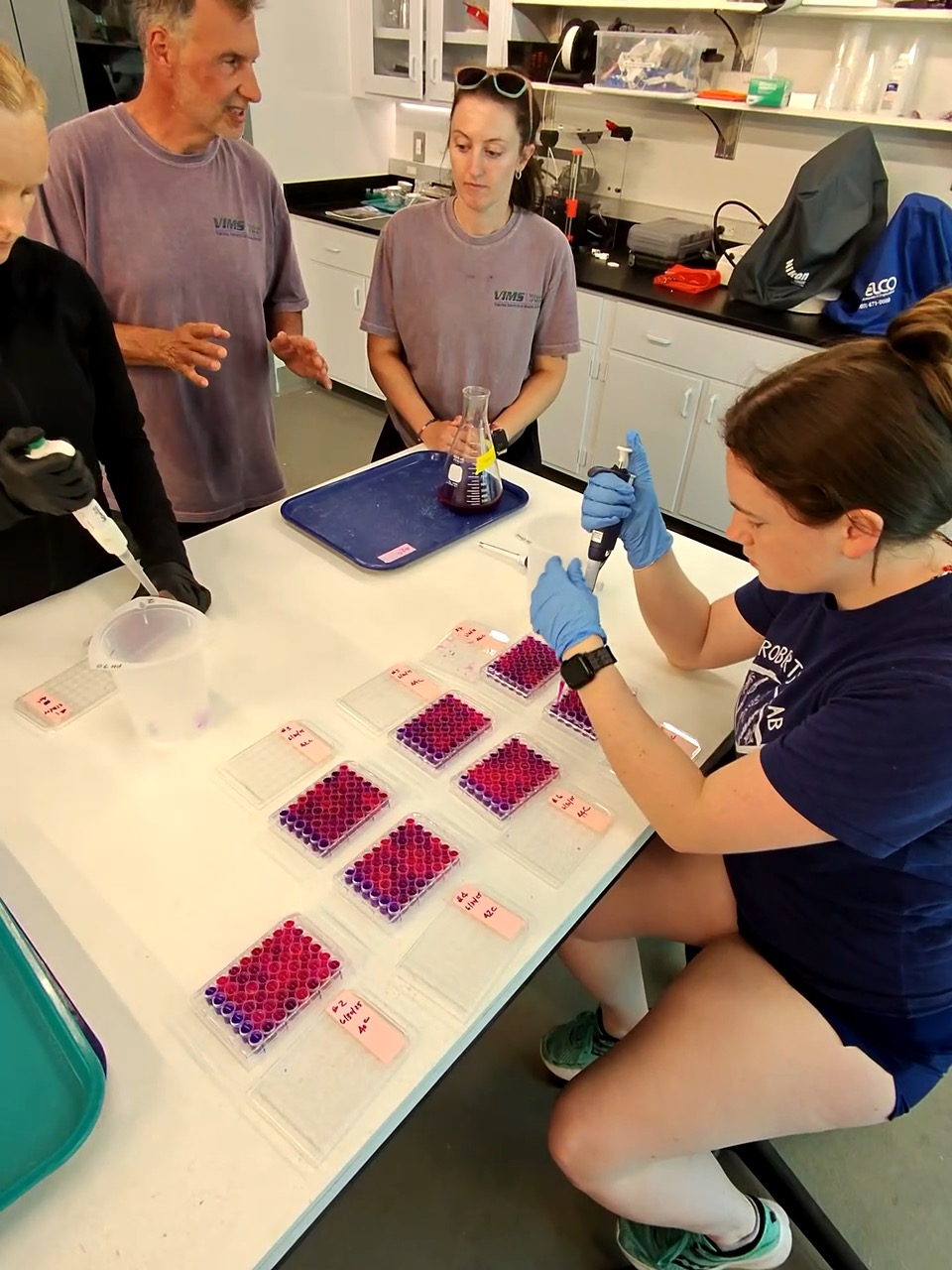
This has been reposted from our lab tumblelog A few weeks ago I went to Wilkes Elementary to give a presentation and show the students some marine invertebrates. I used some of the more charismatic examples from FISH310 and the kids were extremely knowledgable and full of questions. I easily had more student interaction in that one hour than 10 weeks in my college course! Below is a post from Mrs. Spickard’s blog on my visit. Marine Science with Mr. Roberts Posted by Laurie Spickard at 5/21/2013 Mr. Roberts came to share his marine science expertise with us! We thank you for taking...
Read MoreTenure Package [SB Roberts]
If anyone is interested in what a tenure package looks like (I know I could have benefited from a few more examples) I am making mine available here. Below is one of the tables I included, an attempt to quantify online science...
Read MoreOYSTERGEN.ES
“Exploring the biology of oysters, a few hundred base pairs at at time.” We just launched a new site intended to serve as a portal for sharing research data, resources, and information as it pertains to active research efforts that intersect the fields of shellfish genomics and environmental science. Currently the site highlights two oyster species and documents ongoing activities in “Tidal...
Read MorePCSGA 2012 Highlights
[<a href="http://storify.com/sr320/pcsga-2012" target="_blank">View the story "PCSGA 2012" on Storify</a>]
Read MoreMaking Disease more Infectiousness
The Ecology of Infectious Marine Disease Course is currently going on at the Friday Harbor Laboratories. This course will be a training program in invertebrate-pathogen ecology that will bring together and train the future leaders in this rapidly emerging, multidisciplinary field. The course will 1) survey host-pathogen interaction in the Friday Harbor region, 2) teach diagnostic tools for identifying viral, bacterial, protozoan and fungal infections of invertebrates, 3) teach approaches to examine the invertebrate innate immune response to different pathogens, and finally 4) use these...
Read MoreCrowdfunding success!
This has been reposted from our lab tumblelog My rockethub project closed today and it was an incredible success! I raised $5,175 – more than my goal. The success of this project was due to a group of family, friends, colleagues, and strangers who thought my project was cool and/or were intrigued by the crowdfunding model. Overall, it was really awesome to see how many people got excited about science and wanted to help out. Here are some pointers on how to make your own project a crowdfunding success: 1. Make sure your project information is accessible to a broad range of...
Read More