Paper #1: Looking Closely
Length: 2-3 pages.
Deadline: Friday, 14 October, in class.
Format: Double spaced, with 1-1¼ inch margins.
Font: Legible, preferably 12 pt Times New Roman or similar.
Extensions: Only in exceptional cases. Must be cleared in advance.
Our chief subject during the first weeks of this course is the relationship between perception, movement, and embodiment. We have been discussing how people make sense of the world so that they might then feel “at home.” Other crucial topics have been the fallibility of perception, that is, the possibility that we might see wrongly in our haste to understand our environment; the way that puzzling, unfamiliar sights provoke our curiosity and make us eager to figure out what’s really going on; and the ability of artists to play with and against the limits of human perception.
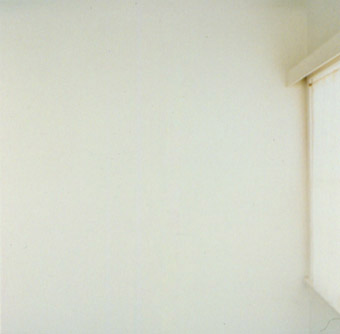
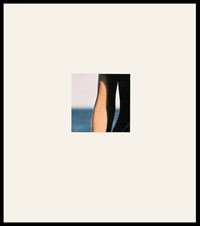
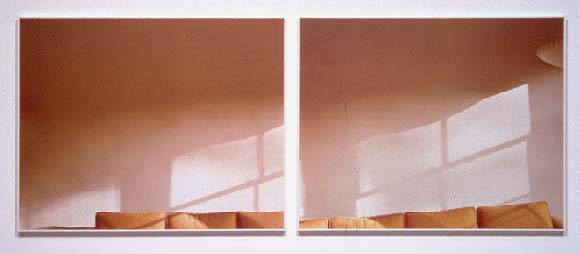
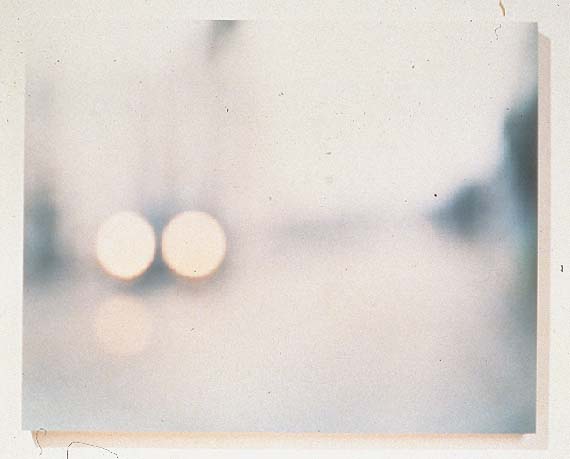
For your first paper, choose one of the works by the photographer Uta Barth (found below) and explore what it teaches us about the act of seeing.
All of these images are available on the course web site at URL. In your paper, you might want to address one or more (though certainly not all!) of the following questions: How would you describe the “look” of the photo(s)? What does Barth include? Leave out? Why? What does she intend for you to “fill in”––and can you? How do your chosen work compare to “normal” photographs? Is there an implicit “story” being told? Where and how does she intend people to view her work? How do the titles of the photos affect your response? Etc.
This is not a research paper. You are not required to quote course materials, nor are you required to do outside reading. This is a paper primarily about looking closely at an image and then turning your insights into a coherent, interesting argument. You should (1) develop and state a narrow, concise, original, and well-expressed thesis and (2) support it with careful, detailed, and well-ordered observations about the relevant photo(s). Good essays will be well organized, clear, and on target throughout. The argument should be cumulative, creative, logical, well signposted, and contain a minimum of repetition (for example: avoid concluding sentences and concluding paragraphs that do nothing but restate what you’ve already said). And don’t break your section leader’s heart: use spell check!