If you (or someone you know) are interested in a postdoctoral position where you can do innovative research on retina and RPE energy metabolism and acquire skills in metabolomics and metabolic flux analyses please write to jbhhh@uw.edu .
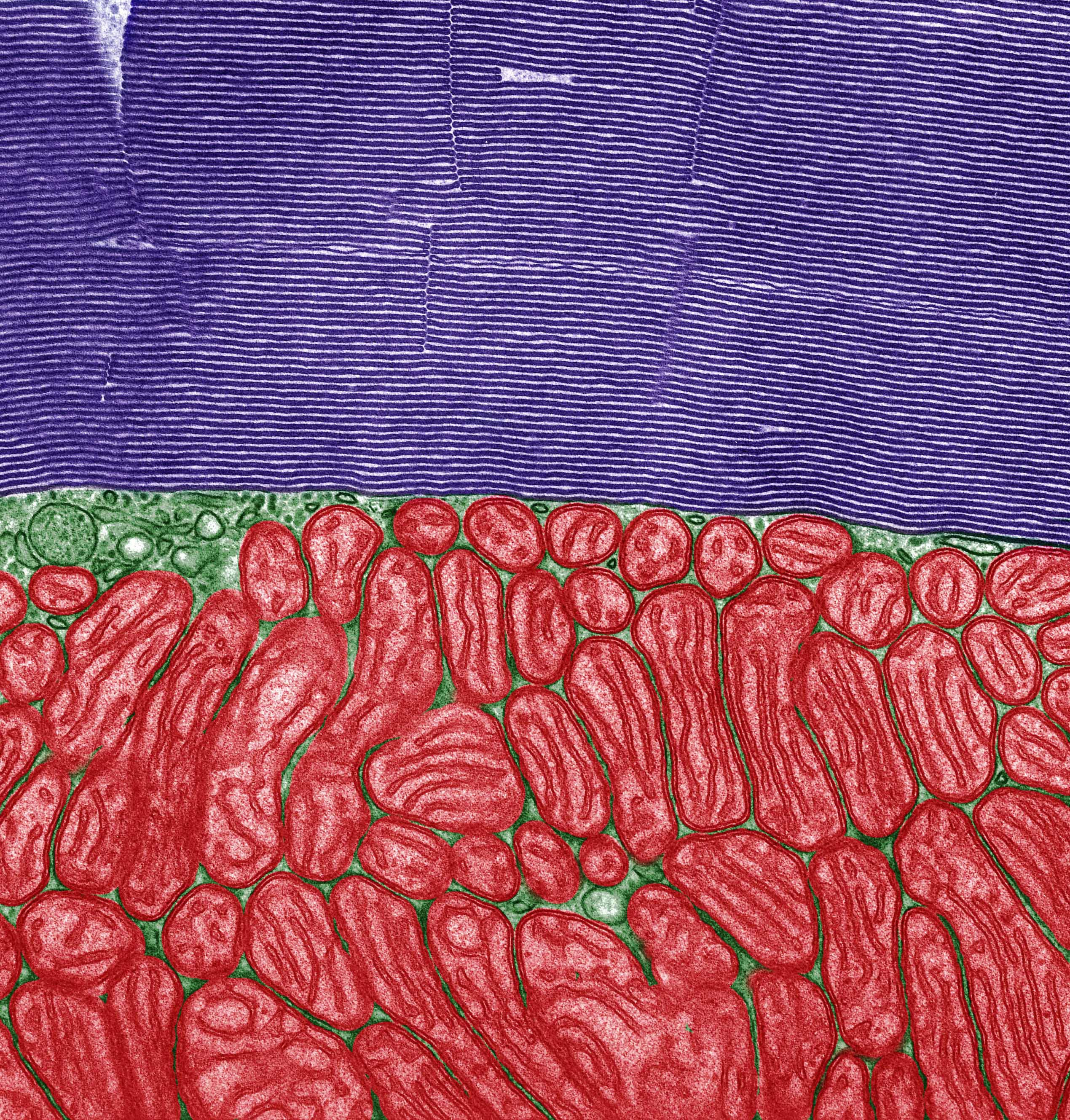
The viability and function of neurons rely on appropriate production of metabolic energy. Our primary aim now is to understand how metabolic energy is produced and distributed in photoreceptors. We are investigating metabolic relationships between photoreceptors, glia and the retinal pigment epithelium in the eye.
Past Research:
- A G-protein (transducin) plays a central role in phototransduction.
- A phosphodiesterase that mediates phototransduction is regulated by an inhibitor subunit and transducin.
- Rods and cones use different proteins for phototransduction.
- Membrane guanylyl cyclases and calcium-sensitive regulatory proteins control cyclic GMP synthesis for phototransduction.
- Rhodopsin is phosphorylated differentially at specific sites in vivo.
- Zebrafish is a powerful genetic tool for vision research.
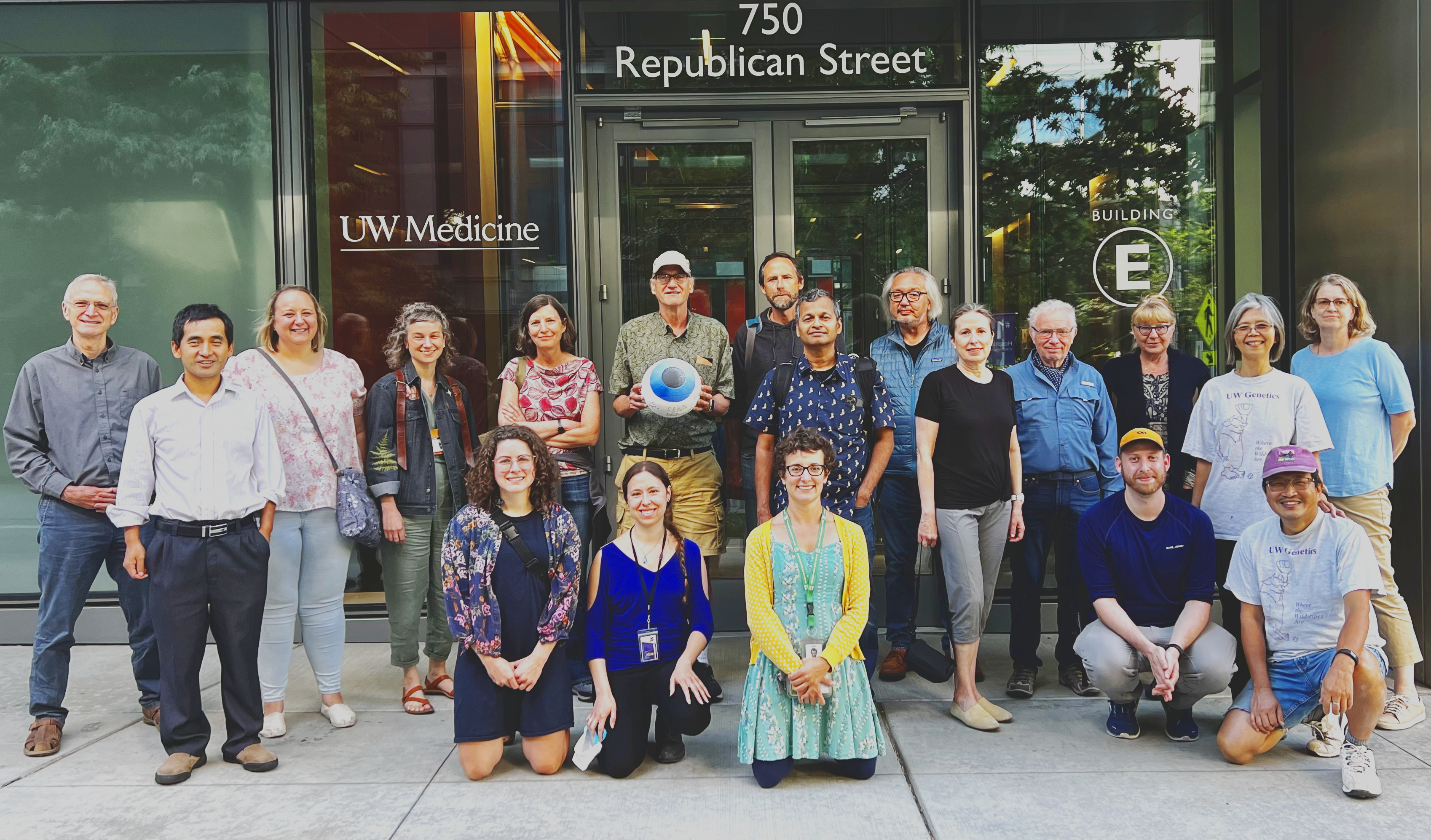
| Another Best Hurley/Brockerhoff Lab Meeting Ever took place on July 22, 2023 at our lab location. Some of the participants are shown below. Huge thanks go to Dan Hass for organizing this event. | ||
 |
||
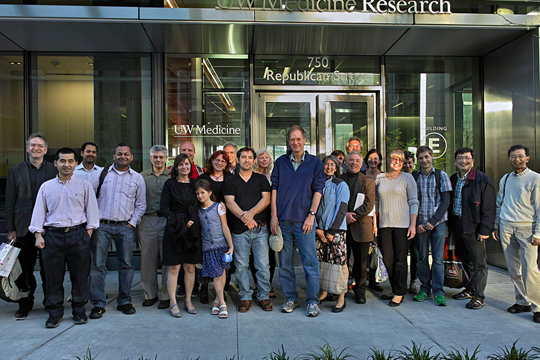
| The Best Hurley/Brockerhoff Lab Meeting Ever took place on May 3, 2013 at our new lab location. Some of the participants are shown below. Huge thanks go to Jason Chen for organizing this (and thanks to Max Sokolov for the photo). | ||
 |