|
1
|
- Sabrina Andrews, Tyler Bourret, Debbie Bushey and Erin Dawson
|
|
2
|
|
|
3
|
|
|
4
|
|
|
5
|
|
|
6
|
|
|
7
|
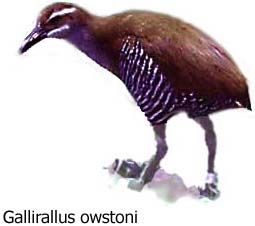
|
|
8
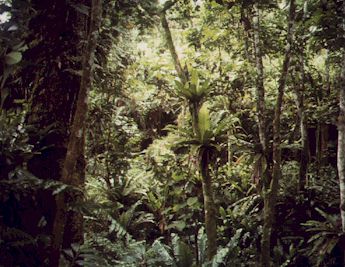
|
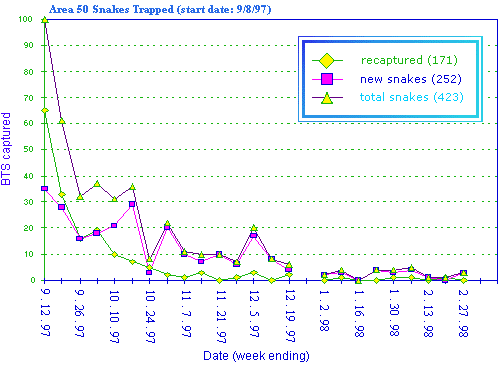
|
|
9
|
|
|
10
|
|
|
11
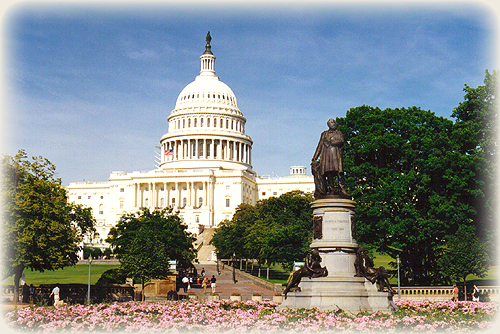
|
|
|
12
|
|
|
13
|
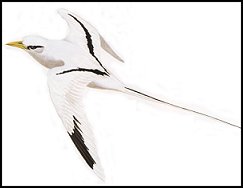
- White-tailed Tropicbird
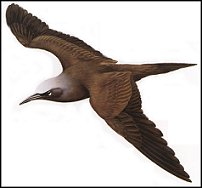
- Brown noddy dankolo
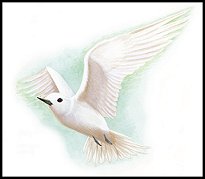
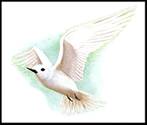
- White tern
- Formerly nested on Guam
- Currently nest on nearby islands
|
|
14
|
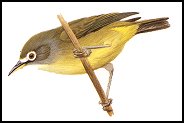
- Bridled White-eye
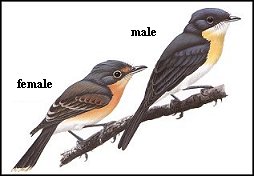
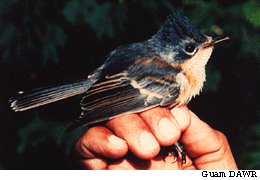
- Guam Broadbill
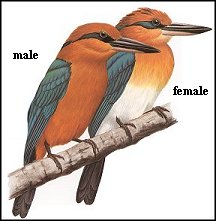
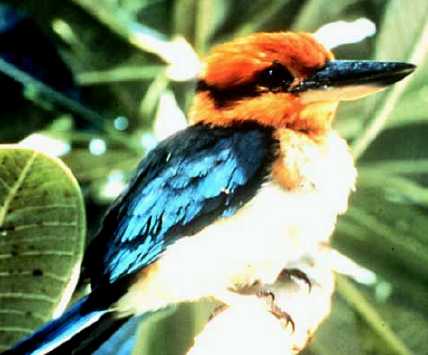
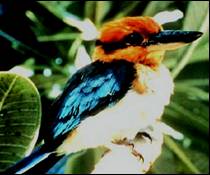
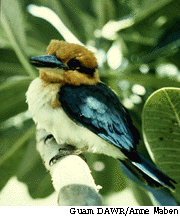
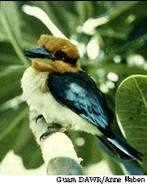
- Micronesian Kingfisher
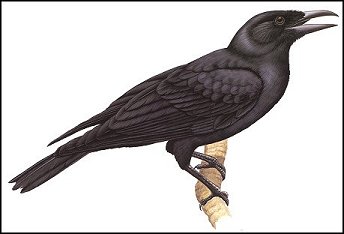
- Mariana Crow
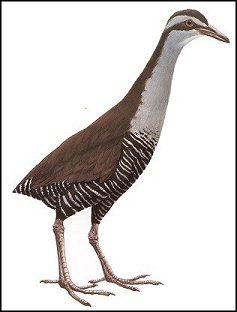
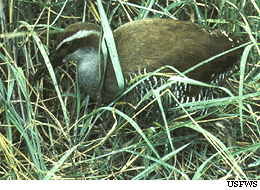
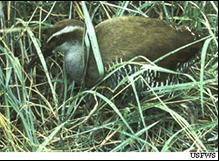
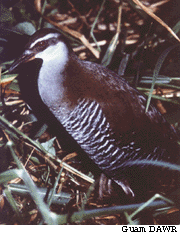
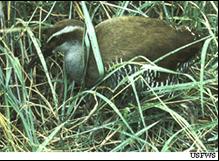
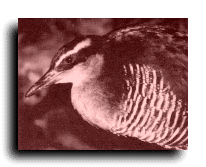
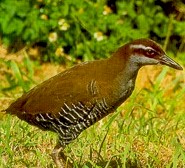
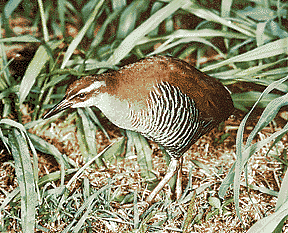
- Guam Rail
|
|
15
|
- Noticeable declines began in the 1960’s
- U.S. Fish and Wildlife Service began systematic surveys in 1981
|
|
16
|
- Habitat: all habitats
- Diet: Insectivore
- Reproduction:
- Nested year round
- Highly altricial young
- Nests: fine fibers woven into
hanging baskets
|
|
17
|
- Was once most common species
- Historically found island wide
- 1945: few left in southern Guam
- 1961: last recorded in Central
Guam
- 1981: occupied 2% of original
range
- 1983: last observation
- 1984: listed as endangered
|
|
18
|
- Habitat: all habitats except
southern savannah
- Diet: insectivore
- Reproduction:
- Little is known
- Cup nests woven and held together by spider webs and a mucous-like
substance
|
|
19
|
- 1950: 62% of its former range
- 1970’s: absent from southern and
central Guam
- 1981: 460 remaining in N. Guam
- Early 1983 – restricted to 150 ha patch of mature limestone forest on
Northern Guam
- Last seen in May 1984
- 1984: Listed as Endangered in
August
|
|
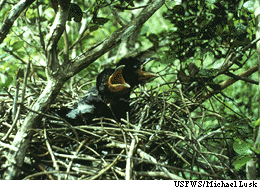
20
|
- Habitat: wide variety of forested
habitats
- Diet: animal matter
- Reproduction:
- Cavity nester requiring old rotting trees, broken branches, soft wood
- Territorial
- 1-2 clutches per year
- 2 eggs in each clutch
|
|
21
|
- 1970’s: Last reported in Southern
Guam
- 1981: 3023 birds estimated in
Northern Guam
- 1984-5: Fewer than 50 birds
- Collected and placed in captive breeding program
- 1984: Listed as endangered
|
|
22
|
- Habitat: prefers mature native
forest
- Diet: omnivore
- Reproduction:
- Territories 2-3 acres
- Nests July – March
- Clutch size 2-4 eggs, 1-2 fledge
- Juvenile requires 3 years to enter breeding cohort
|
|
23
|
- Considered common during the 1960’s
- 1981: 357 crows estimated
- Most recent studies indicate only 20 remaining crows
- Not currently reproducing successfully
- 1984: Listed as endangered
|
|
24
|
- Habitat: scrubby second growth or
mixed forest
- Diet: omnivorous, prefers animal
food over plant matter
- Reproduction:
- Monogamous
- Ground nester
- 2-4 eggs in shallow nest
- Precocial young, parents feed for 7-10 days
|
|
25
|
- Prior to 1970’s: widely
distributed in all habitats except wetlands
- mid 1970’s: disappeared from
southern Guam
- mid-1980’s: all collected and
placed in captive breeding program
- 1984: Listed as endangered
|
|
26
|
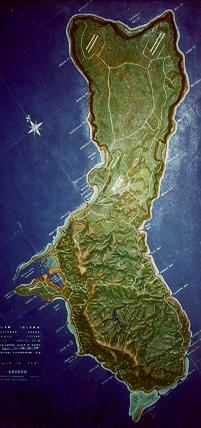
- The pattern seems to be that the birds maintain good populations, and
then suddenly disappear within a year or so, along the extinction front.
1950s
- Some suggestions of a reduction in the numbers of Forest Birds in the
mid-south of the island. 1960s
- Extinction of Forest Birds in the south and center of the island. 1970s
- Extinction of Forest Birds in much of the north. 1980s
- Extinction of Forest Birds in the remainder of the north complete by
1982.
|
|
27
|
- Breeding Programs established in zoos and neighboring island
- Trapping and barriers used to create “snake free” areas
- Evaluating management techniques
- The Guam Rail as a model species
|
|
28
|
- Breeding program began with 21 founders
- Effort to conserve the genetic diversity of the species
- Male rails are known to violently attack females
- Artificial insemination technology being explored
|
|
29
|
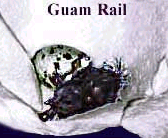
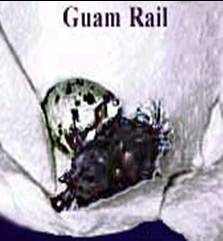
- Extremely prolific with up to 10 clutches per year and 1-4 eggs in a
clutch
- Will destroy a clutch if they are disturbed
- Captive bred birds are being released onto nearby island of Rota to
hopefully start a wild breeding population
|
|
30
|
- 800 Guam Rails produced since 1984
- 267 captive bred birds released onto Rota
- Five confirmed as breeding
|
|
31
|
- 24 ha of limestone forest designated for reintroduction
- Considered potential area for Guam Rail reintroduction
- Trapping and barrier protection used to make the area relatively “snake
free”
|
|
32
|
- Interior and perimeter traps used to reduce populations
- Wire mesh put around fence to act as barrier
- 430 snakes captured
- Later trapping produced only 30 snakes in same timeframe
|
|
33
|
- Only rails that are genetically well represented in captive populations
considered
- Trapping of snakes in area maintained
- Rail monitoring by visual observations and radio tracking
|
|
34
|
- By November 1998
- 16 rails were released
- 5 pairs established
- 4 confirmed as breeding
- By October 1999
- 9 rails made 16 nesting attempts
- 46 eggs were produced
- All but 6 eggs hatched
|
|
35
|
- Small snakes can evade traps
- Assumes snakes are nomadic
- Other predators still can threaten rail
- Barrier is imperfect
- Most rail deaths caused by scientific equipment
|
|
36
|
|
|
37
|
- Marianas Archipelago Rescue and Survey (MARS) project is working to
conserve the Mariana Crow (Corvus kubaryi)
- The Micronesian kingfisher (Halcyon cinnamomina cinnamomina) is part of
a species survival plan in AZA institutions
- Don Nichols and the introduction of the paramyxovirus
|
|
38
|
|
|
39
|
- Prohibited “the import, export, transportation, sale, receipt,
acquisition, or purchase of fish, wildlife, or plants taken, possessed,
transported, or sold in violation of any Federal, State, tribal, or
foreign law.”
- First piece of legislation aimed at stopping import of non-native
species.
|
|
40
|
- Not directly involved in invasive species.
- Recognized the need for Species Survival Plans and started many
conservation efforts.
- Every federal agency has a duty to protect an endangered species.
|
|
41
|
- Aimed at stopping the spread of invasive plants.
- Showed government awareness of the dangers of invasive species.
- Prohibited transport of plants identified as noxious weeds.
|
|
42
|
- Specifically addressed Brown Tree Snake problem.
- Involved more government agencies in prevention and control of invasive
species.
- First legislation with teeth.
- Later amended as Invasive Species Act of 1996.
- Current legislation used to fight BTS.
|
|
43
|
- Formed new Environmental Protection Agency office in charge of
environmental education at the federal level.
- Promotes education about environmental programs and efforts, and keeping
citizens informed of their own environmental impacts.
|
|
44
|
- Gives the Secretary of Agriculture authority to investigate and control
harmful predatory animals.
- Gives special focus to Brown Tree Snake, particularly in preventing BTS
introduction to Hawaii
|
|
45
|
- Focused narrowly on keeping the Brown Tree Snake from being introduced
to Hawaii.
- Mandates 4 federal agencies - the Department of Agriculture, the
Department of Interior, the Postal Service, and the State of Hawaii to
work together to stop the spread of the BTS.
|
|
46
|
- US Geological Survey
- Department of Fish And Wildlife
- Department of Defense
- Department of Interior
- Department of Commerce
- Department of Agriculture
- US Postal Service
- Environmental Protection Agency
- Commonwealth of the Northern Mariana Islands
- Territory of Guam
- State of Hawaii
- …and more, as well as NGO’s.
|
|
47
|
- “The current Federal framework is a largely uncoordinated patchwork of
laws, regulations, policies, and programs. Some focus on narrowly drawn
problems.... In general, present Federal efforts only partially match
the problems at hand.”
- Most invasive species legislation focuses on species after they have
become a problem, not on prevention.
|
|
48
|
- Funding is allocated from the budgets of the various agencies involved.
- According to the The Brown Tree Snake Control Committee of the Aquatic
Nuisance Species Task Force, funding needed for this problem is
approximately 2.5 million dollars a year for the foreseeable future.
- This cost does not include other negative economic impacts of the BTS,
including power loss, medical costs, loss of agriculture, etc.
- President Bush recently cut funding for invasive species control
problems.
|
|
49
|
- Call your congressperson and tell them how you feel on the issue.
- Volunteer at one of the agencies involved.
- Tell your friends.
|
|
50
|
- Brown Tree Snake Info
- http://www.invasivespecies.gov/profiles/bts.shtml
- http://anstaskforce.gov/BTS%20Control%20Plan.htm
- http://www.mesc.usgs.gov/resources/education/bts/default.htm
- Conservation Effort for Guam Rail
- http://members.tripod.com/allan_searle/Area50BTSGuam.html
- http://fwie.fw.vt.edu/WWW/esis/lists/e101035.htm
- http://cnie.org/NLE/CRSreports/Biodiversity/biodv-21.cfm
|
|
51
|
- Other birds of Guam
- http://ibs.uel.ac.uk/ibs/envmath/cal/env203/guam
- http://www. mesc.usgs.gov/resources/education/bts/impacts/birds
- http://pacificislands.fws.gov/webmap.html
- http://www.orecity.k12.or.us/ochs/departments/science/species/kingfisher.html
- Bridled white-eye http://fwie.fw.vt.edu/WWW/esis/lists/e101031.htm
- Mariana Crow http://fwie.fw.vt.edu/WWW/esis/lists/e101032.htm
- Guam Broadbill http://fwie.fw.vt.edu/WWW/esis/lists/e101033.htm
- Micronesian Kingfisher http://fwie.fw.vt.edu/WWW/esis/lists/e101034.htm
- http://www.orecity.k12.or.us/ochs/departments/science/species/kingfisher.html
|
|
52
|
|
|
53
|
|

 Notes
Notes